Axles don’t usually fail all at once out of nowhere. They wear down the same way most moving parts do, through load, heat, torn seals, and small vibrations that slowly get worse. By the time a driver feels a shudder on acceleration or hears a click on tight turns, something has already been wearing for a while.
The good news is that the causes are pretty consistent and predictable.
Axle Types And What They Do Every Day
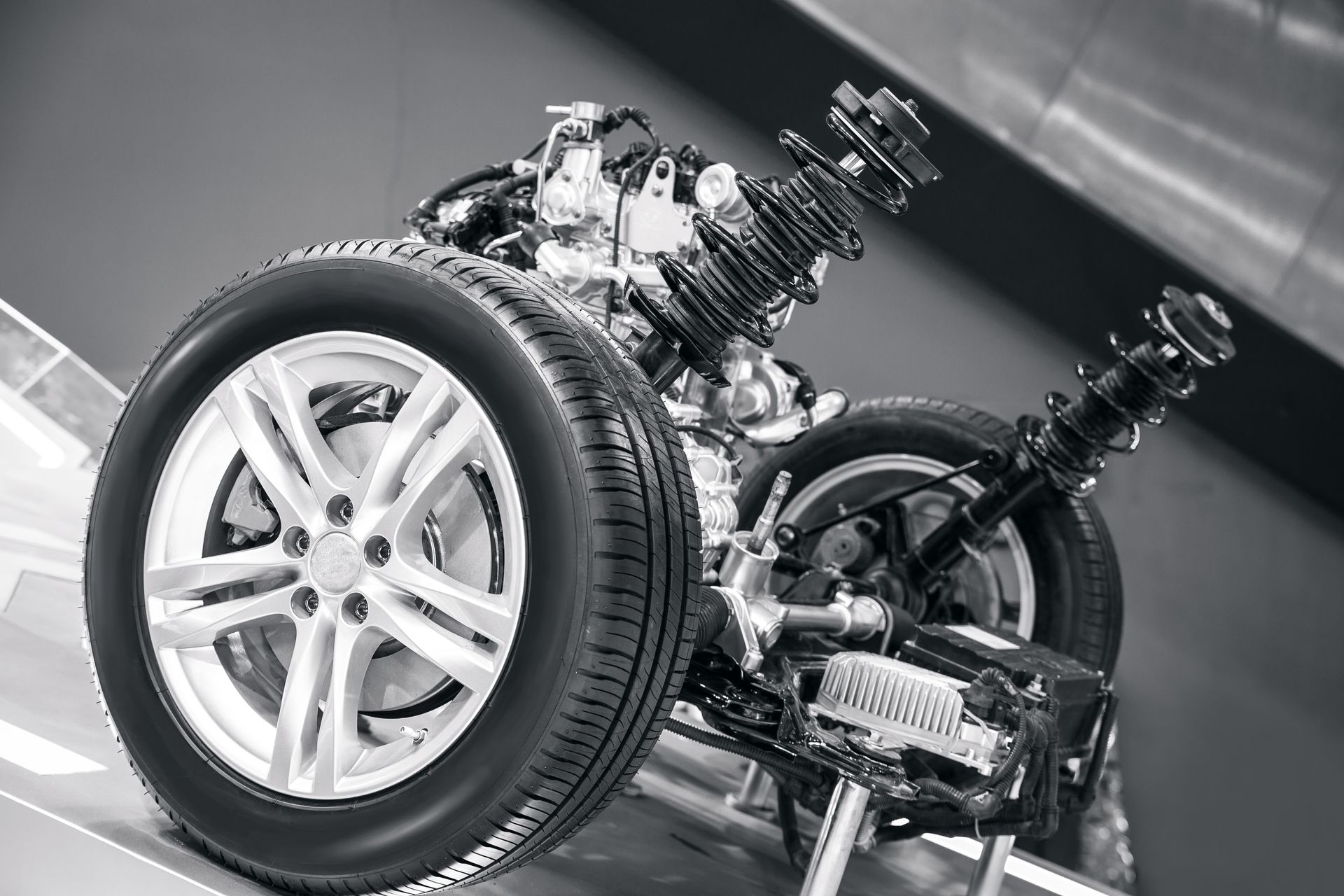
Most front-wheel-drive cars use CV axles, which have joints at each end so the axle can transmit power while the wheels steer and the suspension moves. All-wheel drive and many rear-wheel drive vehicles still use CV-style joints somewhere, plus a driveshaft and sometimes axle shafts in the rear. No matter the layout, axles are under constant torsional load, and they rotate thousands of times every mile.
That constant load is why small issues matter. An axle can tolerate normal wear, but it won’t tolerate running dry, running at a bad angle, or being hammered by vibration for months.
Boot And Seal Failure Is The #1 Long-Term Killer
CV joints survive because they’re packed with grease and sealed by a rubber boot. Once that boot tears, grease gets thrown out and road grit gets thrown in. From that point on, the joint is basically a grinder. It may still drive, but it’s wearing at an accelerated rate every time you move.
Boots usually fail from age, heat, and flexing, but they also tear from road debris or improper handling during other repairs. A small crack can turn into a full split quickly, especially in hot climates. That is why catching a greasy sling on the inside of a wheel early is such a big win.
Heat And Load From Driving Conditions
Axles take the hardest hits during acceleration, tight turns, and when the suspension is loaded heavily. Hard launches, frequent stop-and-go driving, towing, and carrying heavy loads increase joint stress. If a vehicle is lifted or lowered, axle angles can become more extreme, which forces the joints to operate near their limits more often.
Heat plays into this too. Grease breaks down with heat cycles, and boots harden over time. If you drive in high heat or in traffic where everything stays hot for long stretches, the boots and grease age faster.
Wheel Alignment And Suspension Wear Can Shorten Axle Life
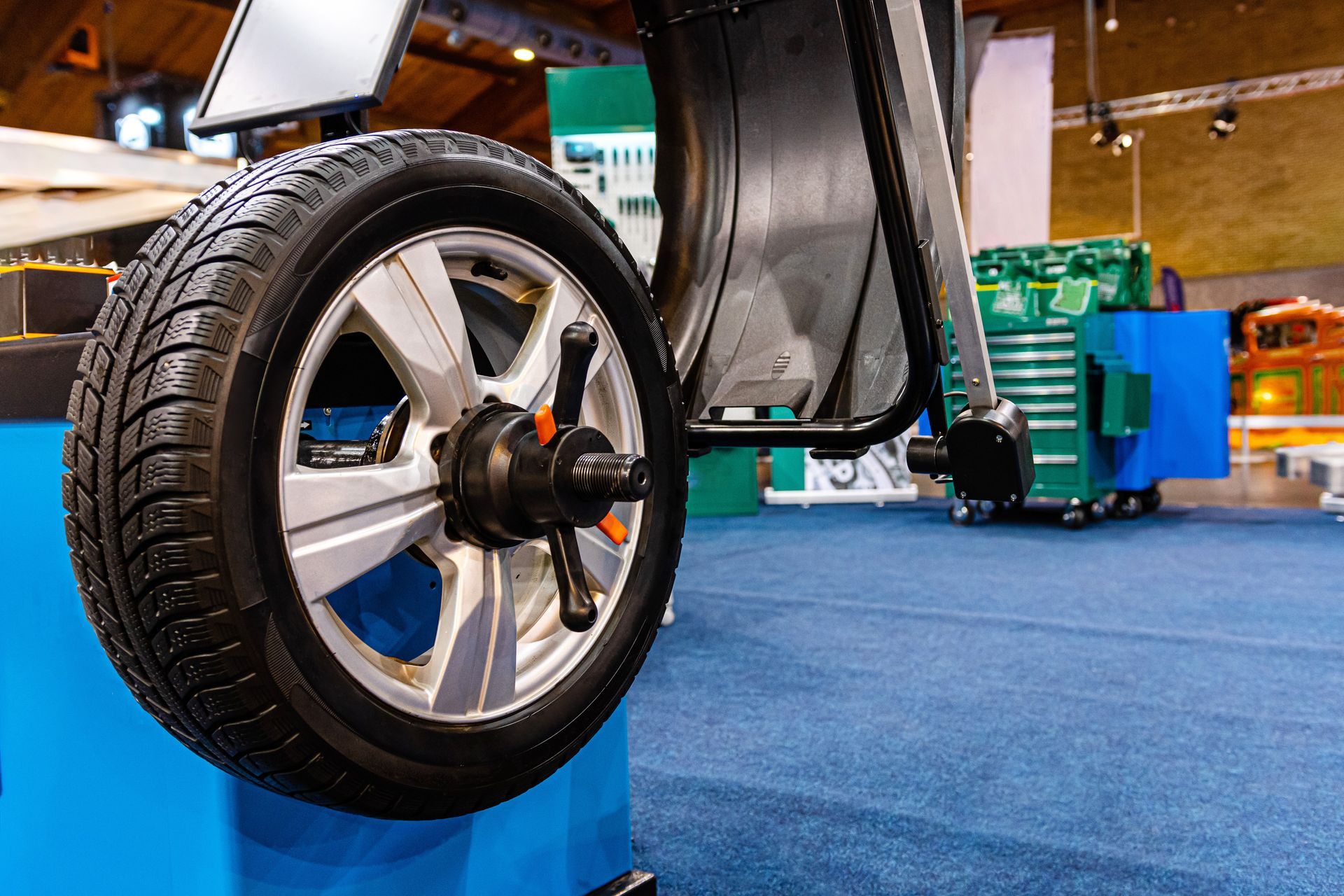
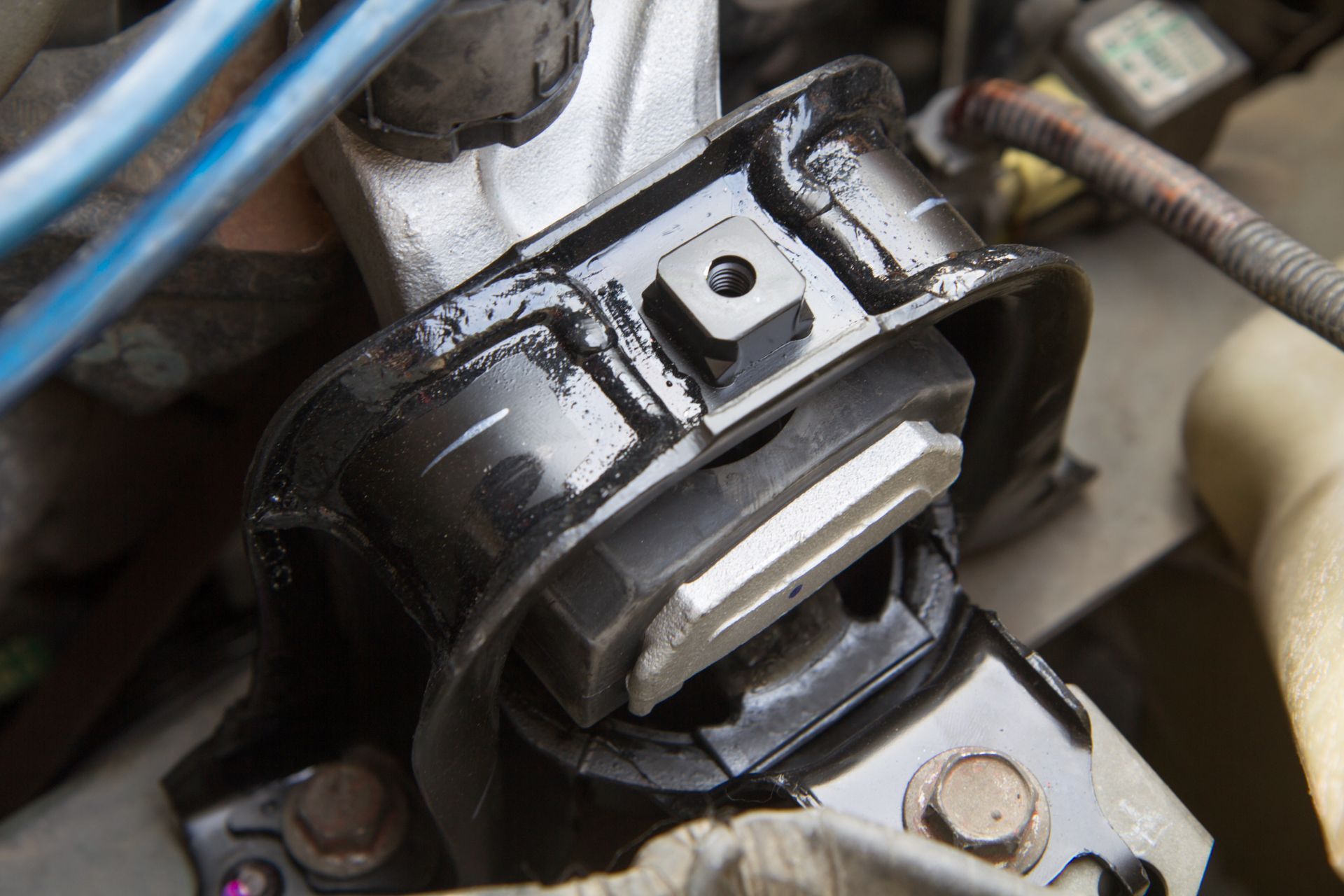
Axles don’t operate in isolation. Worn motor mounts can let the drivetrain shift under load, and that movement changes axle angles and stresses the joints. Worn control arm bushings or ball joints can create vibration that gets transmitted through the axle. Even a slightly bent wheel or out-of-balance tire can add a constant shake that the axle was never meant to live with.
This is one reason an inspection should include the surrounding parts, not just the axle itself. Replacing an axle without addressing the vibration source can lead to repeat problems and an annoying comeback.
Impact Damage And Bad Road Hits
A curb strike, pothole hit, or collision can damage an axle directly, but it can also bend a wheel, damage a hub, or knock alignment out. Sometimes the axle survives the hit, then fails later because it has been running with extra stress and vibration ever since. Drivers often connect the symptoms to the axle only after the noise becomes obvious.
If the car started shaking after a hit, that’s a clue to check everything in the path, wheel, tire, hub, suspension, and axle. Fixing only the loudest part does not always fix the true cause.
Early Symptoms Drivers Should Not Ignore
Most axle failures give warnings. They are not subtle once you know what you’re listening and feeling for, and catching them early can prevent getting stranded.
Here are the common signs:
- Clicking or popping while turning, especially at low speed
- Vibration during acceleration that changes with throttle
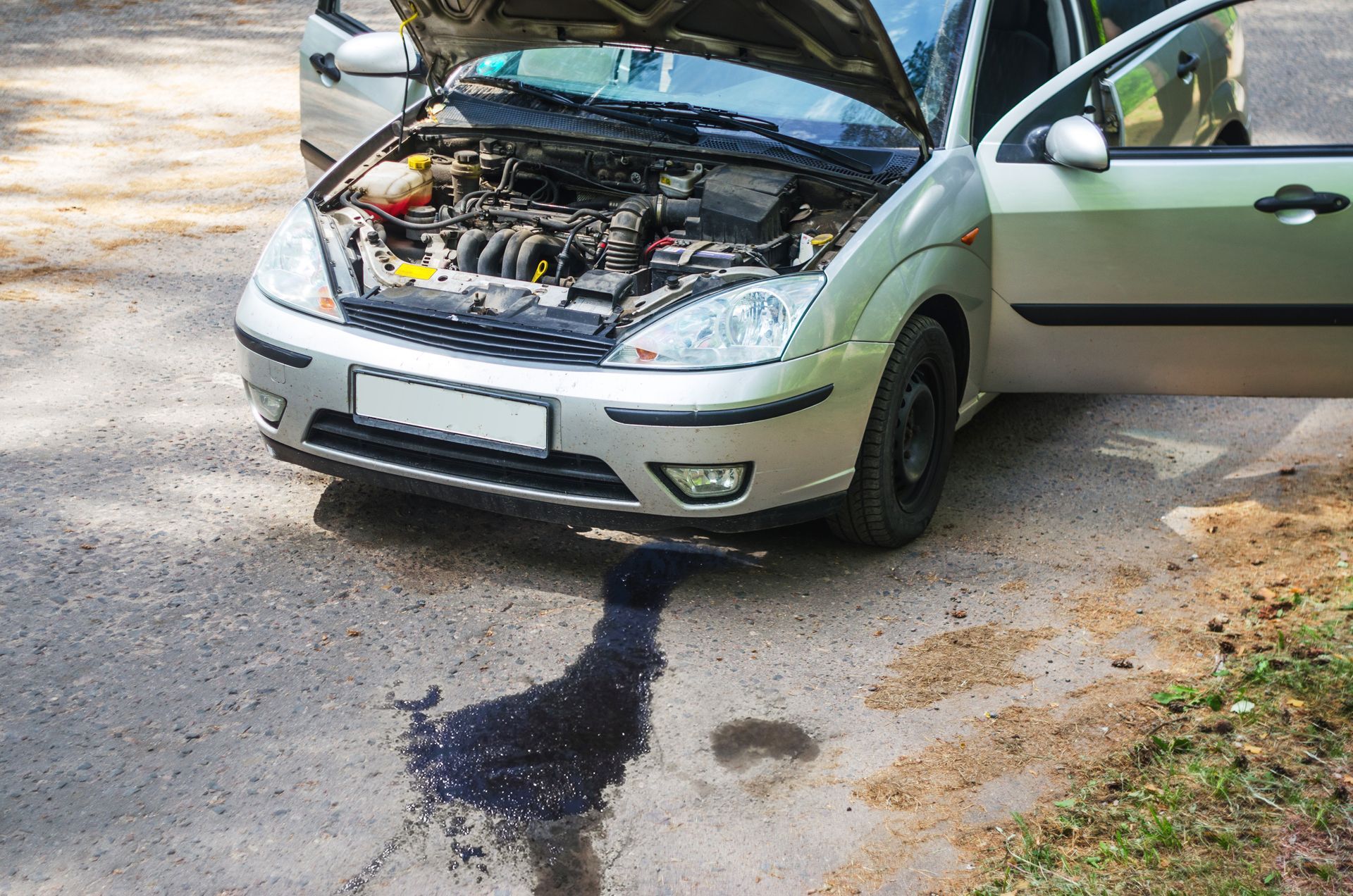
- Grease splatter on the inside of a wheel or on suspension parts
- Clunk when shifting from reverse to drive, or on takeoff
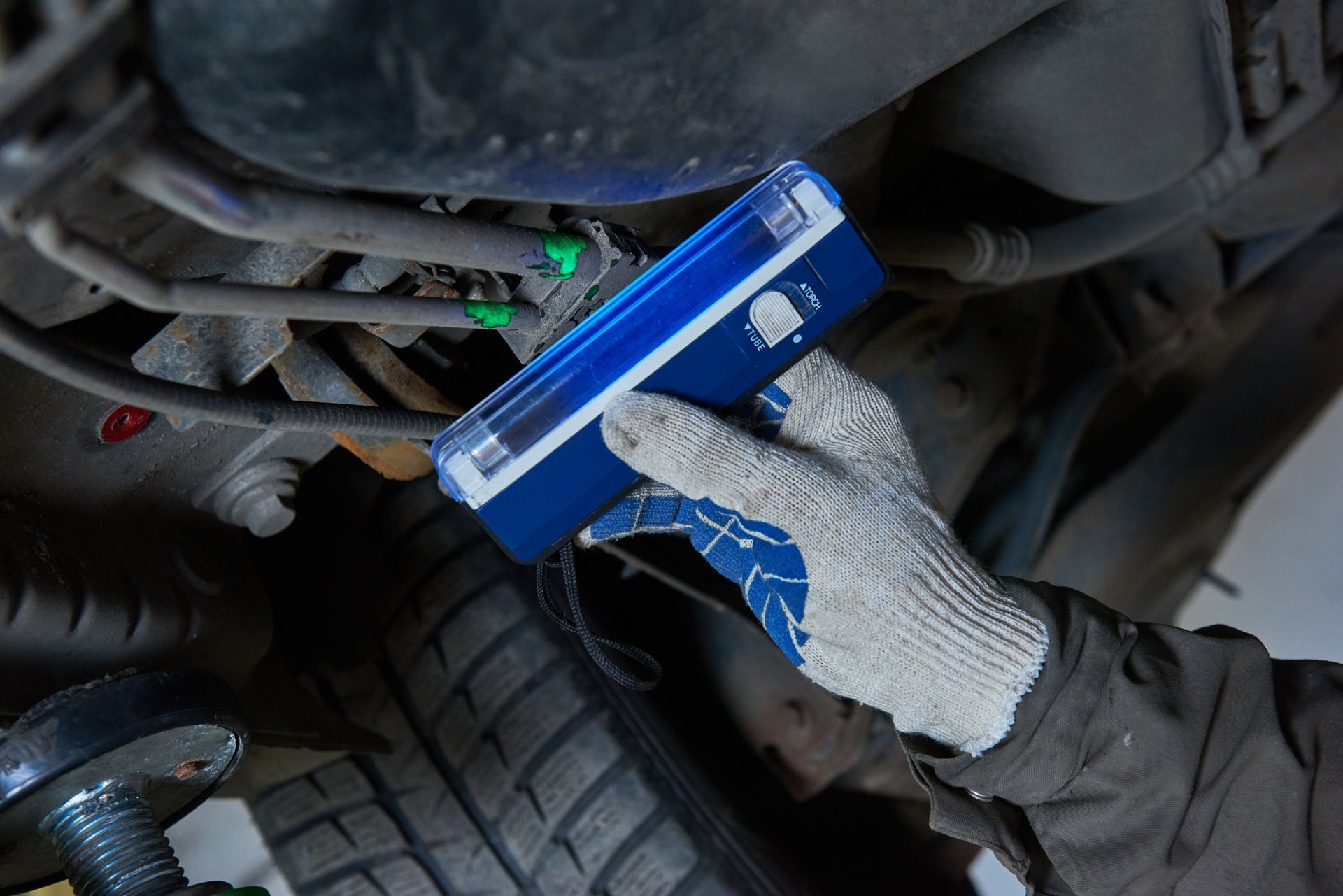
- A torn boot you can see during a quick look under the car
If you notice a torn boot, that’s a repair you want to handle quickly. Driving it longer usually turns a boot job into a full axle replacement.
Maintenance Habits That Help Axles Last
You can’t grease most modern CV joints, but you can protect them by keeping the rest of the vehicle tight and predictable. Keeping tires balanced, fixing alignment drift, and addressing worn mounts reduces the vibration and angle stress that wears joints faster. Regular maintenance checks also help you spot boot issues before the joint is contaminated.
A quick inspection during routine service is also the easiest time to catch small leaks, damaged boots, or looseness in the drivetrain. It takes minutes and can save you a much bigger repair later.
Get Axle Service In Mesa, AZ With Friendly Auto Centers
If you’re hearing clicking on turns, feeling vibration on acceleration, or you’ve noticed grease near a wheel, the next step is pinpointing whether the issue is the axle itself or the parts around it that are stressing it. Schedule an inspection with Friendly Auto Centers in Mesa, AZ, and we’ll check the boots, joints, mounts, and suspension so the repair actually solves the problem.
You’ll get a quieter drive and a drivetrain you can trust again.